Is Managed Farmland a Good Investment in 2026?
As investors look beyond traditional assets like stocks, apartments, and commercial properties, managed farmland is emerging as a popular alternative investment. In 2026, increasing land scarcity, growing food demand, and rising interest in sustainable investments have made managed farmland more attractive than ever.
But is managed farmland a good investment in 2026?
The answer is yes for investors seeking long-term wealth creation, asset diversification, and ownership of a tangible resource. However, understanding the benefits and factors involved is essential before investing.
What is Managed Farmland?
Managed farmland is agricultural land that is professionally maintained by a farmland management company. Investors purchase land ownership while experts handle:
- Plantation management
- Irrigation systems
- Security and maintenance
- Harvest planning
- Farm operations
- Regular monitoring
This allows investors to own farmland without the burden of managing daily agricultural activities.
Why Managed Farmland is Gaining Popularity in 2026
1. Increasing Land Scarcity
Land is one of the few assets with a limited supply. As cities expand and infrastructure projects continue to develop, quality agricultural land is becoming increasingly valuable.
Many investors view farmland as a long-term hedge against inflation and urban expansion.
2. Strong Potential for Capital Appreciation
Historically, strategically located farmland has appreciated significantly over time.
Factors influencing appreciation include:
- Infrastructure development
- Highway connectivity
- Industrial growth
- Urban expansion
- Demand for agricultural land
Investors are increasingly recognizing farmland as a wealth-building asset rather than simply agricultural property.
3. Sustainable Investment Opportunity
Environmental awareness continues to influence investment decisions.
Managed farmland supports:
- Tree plantations
- Carbon absorption
- Soil conservation
- Biodiversity protection
- Sustainable agriculture For environmentally conscious investors, farmland offers both financial and ecological value.
4. Diversification Beyond Traditional Assets
Most investment portfolios consist of:
- Stocks
- Mutual funds
- Gold
- Residential property
Managed farmland adds diversification by providing exposure to a different asset class that often behaves independently of stock market fluctuations.
5. Passive Ownership Benefits
One major advantage of managed farmland is convenience.
Professional management teams handle:
- Farm maintenance
- Plantation care
- Water management
- Security
- Harvest operations
This creates a hassle-free ownership experience for investors.
Key Benefits of Managed Farmland Investment in 2026
Tangible Asset Ownership
Unlike digital or paper investments, farmland is a physical asset that investors can see, visit, and own.
Long-Term Wealth Creation
Farmland often rewards patient investors through gradual appreciation and plantation growth.
Lower Volatility
Compared to stock markets, farmland generally experiences less short-term price volatility.
Legacy Investment
Many investors purchase farmland as an asset to pass on to future generations.
Growing Demand for Agricultural Assets
With population growth and increasing food demand, productive agricultural land remains an important long-term resource.
Factors to Consider Before Investing
Location
Location remains the most important factor.
Look for farmland with:
- Highway connectivity
- Water availability
- Industrial growth nearby
- Future infrastructure projects
- Easy accessibility
Legal Verification
Ensure that:
- Land titles are clear
- Ownership records are transparent
- Approvals are properly documented
Water Resources
Agriculture depends heavily on water availability.
Reliable water sources significantly enhance farmland productivity and long-term value.
Management Expertise
The success of managed farmland largely depends on the quality of the management company.
Evaluate:
- Experience
- Plantation strategy
- Maintenance practices
- Investor support
Plantation Model
Different projects focus on:
- Timber plantations
- Fruit orchards
- Mixed farming
- Sustainable agriculture
Understanding the plantation model helps set realistic expectations.
Potential Risks of Managed Farmland
Like any investment, managed farmland is not risk-free.
Potential risks include:
Weather Conditions
Agricultural productivity can be influenced by climate and rainfall patterns.
Market Demand
Commodity prices and plantation values may fluctuate over time.
Project Selection
Poorly managed projects may not deliver expected outcomes.
Liquidity
Farmland is generally considered a long-term investment and may take time to sell.
Despite these risks, proper due diligence significantly improves investment outcomes.
Who Should Invest in Managed Farmland?
Managed farmland is suitable for:
Working Professionals
People seeking passive, long-term investments.
Business Owners
Investors looking to diversify their asset portfolio.
Nature Enthusiasts
Individuals who value sustainable and environmentally friendly investments.
Long-Term Investors
Those willing to hold assets for extended periods to maximize appreciation potential.
NRIs and Global Investors
Investors interested in owning land assets in growing agricultural regions.
The Future of Managed Farmland in 2026 and Beyond
Several trends support the continued growth of managed farmland investments:
- Rising food demand
- Increasing land scarcity
- Sustainable investing trends
- Infrastructure development
- Growing interest in alternative assets
As awareness increases, professionally managed farmland is expected to attract more investors seeking stable, long-term opportunities.
How Ardini Helps Investors Generate Income and ROI
One of the biggest concerns for investors is understanding how managed farmland creates returns. Ardini addresses this by combining strategic land ownership, plantation-based growth, and professional farm management into a single investment model.
1. Land Appreciation Potential
Land remains one of the most valuable and limited assets. Ardini’s managed farmland is strategically located near:
- NH44 Highway
- Kia Manufacturing Plant
- Gollapalli Reservoir
- Bangalore International Airport connectivity corridor
As infrastructure and industrial development continue to grow around the region, land values have the potential to appreciate significantly over the long term.
2. Red Sandalwood Plantation Value
Ardini follows a plantation model consisting of:
- 80% Red Sandalwood
- 20% Fruits and Vegetables
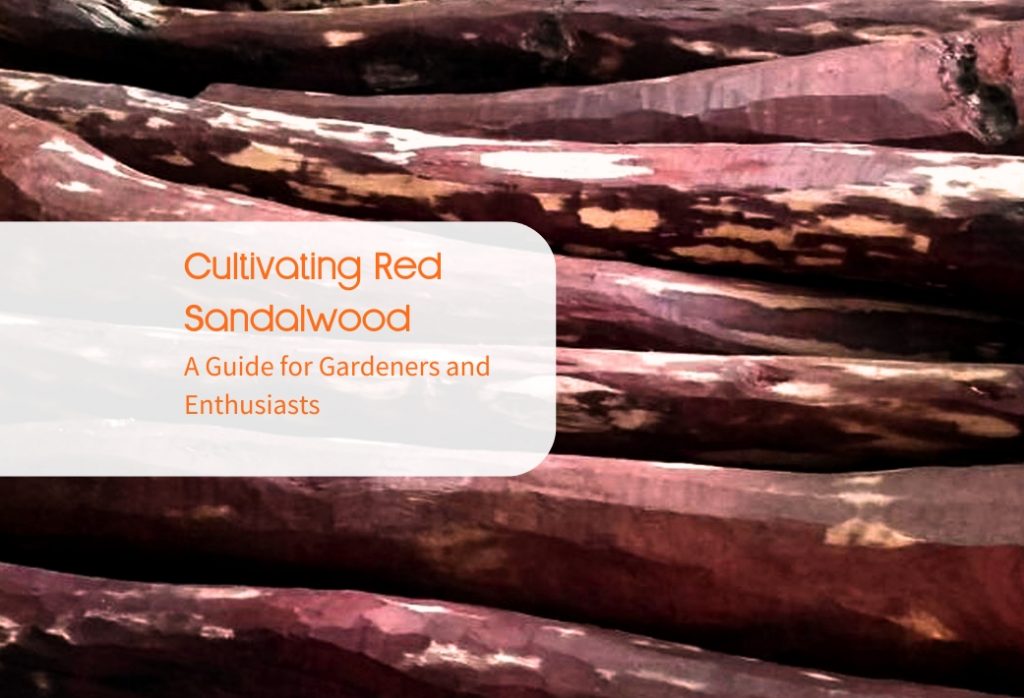
Red Sandalwood is considered one of India’s most valuable timber species due to its strong domestic and international demand. Many managed farmland projects use Red Sandalwood as a long-term wealth creation asset because returns are generated not only from the land but also from the value of the mature trees.
3. Income Through Fruits and Vegetables
The remaining plantation area is dedicated to fruits and vegetables, creating opportunities for agricultural productivity while the Red Sandalwood plantation matures.
This diversified plantation model helps maintain farm activity and supports sustainable land utilization.
4. Professional Farm Management
Ardini manages every aspect of farm operations, including:
- Plantation development
- Drip irrigation systems
- Farm maintenance
- Security and monitoring
- Harvest management
- Regular upkeep
This allows investors to enjoy farmland ownership without needing farming expertise or day-to-day involvement. Similar managed farmland models focus on hassle-free ownership through professional management and maintenance services.
5. Dual Wealth Creation Model
Ardini’s Managed Farmland Investment is designed around two major growth drivers:
- Long-term land appreciation
- Plantation asset growth
This dual approach enables investors to benefit from both the increasing value of the land and the growth of high-value tree plantations over time.
Why Investors Choose Ardini
- Professionally managed farmland
- Strategic location advantages
- Red Sandalwood-based wealth creation model
- Sustainable farming practices
- Hassle-free ownership experience
- Long-term investment potential
For investors looking to diversify beyond traditional real estate, Ardini offers an opportunity to own productive agricultural land while participating in a professionally managed plantation ecosystem.
Learn more at Ardini Farms
Conclusion
Managed Farmland Investment in 2026 offers a compelling combination of land ownership, sustainability, portfolio diversification, and long-term appreciation potential.
While every investment requires careful evaluation, managed farmland stands out as an asset class that combines financial opportunity with environmental responsibility.
For investors looking beyond traditional real estate and stock markets, managed farmland remains one of the most promising long-term investment options in 2026.
FAQs
1. Is managed farmland a good investment in 2026?
Yes. Managed farmland offers long-term appreciation potential, portfolio diversification, and ownership of a tangible asset while being professionally maintained.
2. How is Managed Farmland a Good Investment in 2026, and how does it generate returns?
Returns typically come from land appreciation, plantation growth, agricultural income, and increasing demand for quality farmland.
3. Do I need farming knowledge to invest?
No. Managed farmland projects are operated by professional teams who handle plantation, irrigation, maintenance, and farm management.
4. What should I check before buying managed farmland?
Review location advantages, legal documentation, water availability, plantation strategy, and the track record of the management company.
5. Is managed farmland better than traditional real estate?
Managed farmland offers diversification, sustainability benefits, and long-term growth potential. The better choice depends on your investment goals, risk tolerance, and time horizon.