
How Important Is Red Sandalwood Farming? What Are the Importance and Benefits?
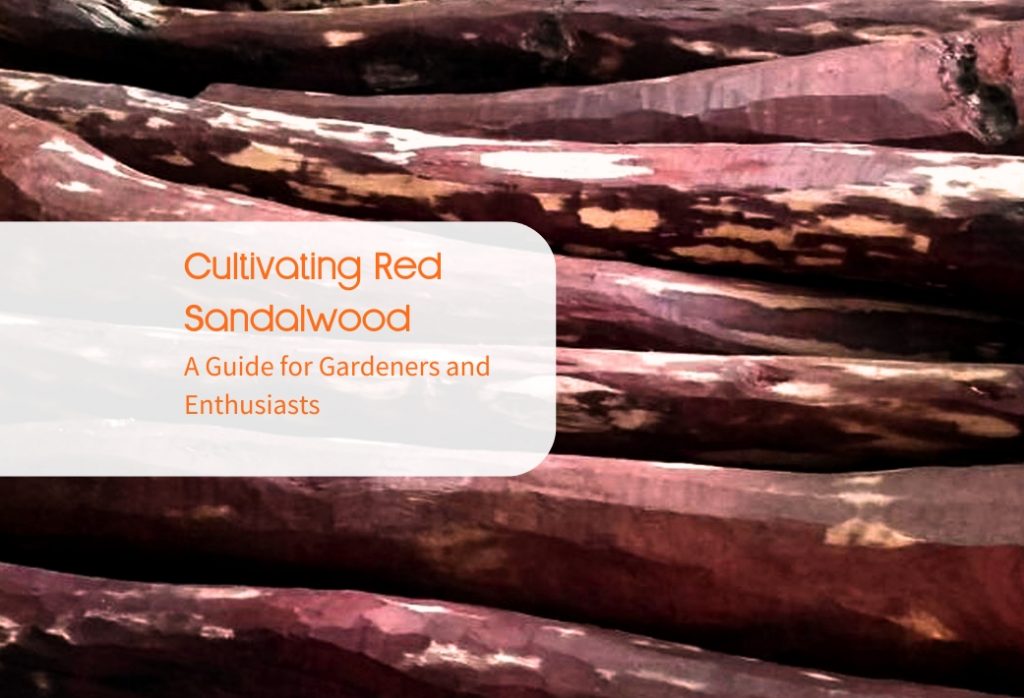
Red sandalwood farming is a long-term, high-value agroforestry practice focused on cultivating Pterocarpus santalinus, a rare and precious tree species native to India. Red sandalwood, known as ”Green Gold” red sandalwood is widely used in medicine, cosmetics, furniture, musical instruments, and spiritual products due to its rich color and therapeutic properties. This farming method supports sustainable land use, improves soil fertility, and enhances biodiversity. With increasing global demand and limited natural supply, red sandalwood cultivation offers farmers and investors a profitable and eco-friendly opportunity when managed with proper planning and legal compliance.
Importance and Benefits of Red Sandalwood Farming
Red sandalwood farming is considered one of the most valuable long-term plantation farmings in the world. Here’s a clear, practical breakdown of the importance and benefits of red sandalwood farming.
- High Economic Value
Red sandalwood is called “green gold.”
Its heartwood and oil are extremely expensive in the market.
Even a small plantation can generate huge returns after maturity.
- Long-Term Investment
Red sandalwood trees mature in 10–15 years
Acts like a retirement or inheritance asset for farmers.
Prices generally increase over time due to limited supply.
- Export & Foreign Exchange
Red sandalwood oil and wood are exported for:
Perfumes
Pharmaceuticals
Religious use
Helps boost a country’s foreign exchange earnings.
- Medicinal & Cultural Importance
Used in Ayurveda, Unani, and traditional medicine.
Plays a major role in religious rituals, temples, and festivals
Benefits of Red sandalwood Farming?
- High Profit with Low Space
Can be grown on small landholdings.
Suitable for intercropping with other plants.
- Drought Tolerant
Requires less water compared to many farmings.
Can grow in semi-arid regions.
- Eco-Friendly & Sustainable
Helps in soil conservation.
Improves green cover and biodiversity.
Absorbs carbon (climate-friendly)
- Low Maintenance
Once established, it needs minimal care.
Fewer pest problems compared to other tree farming.
- Legal CultivationOpportunities
Many countries (including India) now allow private Red sandalwood farming, increasing farmer participation.
Additional Advantages
Red sandalwood is a partial root parasite, so it grows well with host plants (like pigeon pea, neem, or acacia).
Wood value increases with tree age and oil content.
Theft risk exists, but fencing and registration help manage it.
Why Red Sandalwood is called "Green Gold"?
- Redsandal woodhas very high market value compared to other tree farmings.
- Demand is global for perfumes, cosmetics, medicine, and rituals.
- Redsandalwood oil is rare and expensive and used in luxury products.
- Redsandal wood Trees give huge returns from small land areas.
- Value increases with age, like gold.
- Supply is limited, making it scarce and precious.
- It is a long-term natural investment with steady price growth.
For best Redsandalwood Farming visit Ardini Farms.
Why Red Sandalwood Farming with Ardini?
Hassle-Free Ownership
A clearly demarcated farmland plot, registered in your name with complete legal support, located in Penukonda, Andhra Pradesh
We Manage the Farm
Ardini handles soil enrichment, plantation, irrigation, nutrition, pest control, and harvesting—all powered by sustainable farm practices.
Steady Passive Income
Earn returns from agricultural produce without active involvement.
Zero Maintenance Cost
All maintenance expenses are taken care of by Ardini for one year. From next year, low maintenance charges will be applicable.
Food Security & Regeneration
Contribute to soil health, biodiversity, and long-term food sustainability.
Appreciating Asset
Farmland value increases over time, making it a secure investment.
At Ardini Farms, our Ecowood Habitats provide a perfect blend of investment, sustainability, and relaxation.
Conclusion
Red sandalwood farming is a sustainable and high-value agroforestry investment that combines environmental conservation with long-term financial growth. With proper land management, legal compliance, and scientific cultivation practices, it offers excellent returns while improving soil health and supporting biodiversity. As global demand for red sandalwood continues to rise, responsible farming provides farmers and investors a secure, eco-friendly opportunity to build wealth and contribute to a greener future.